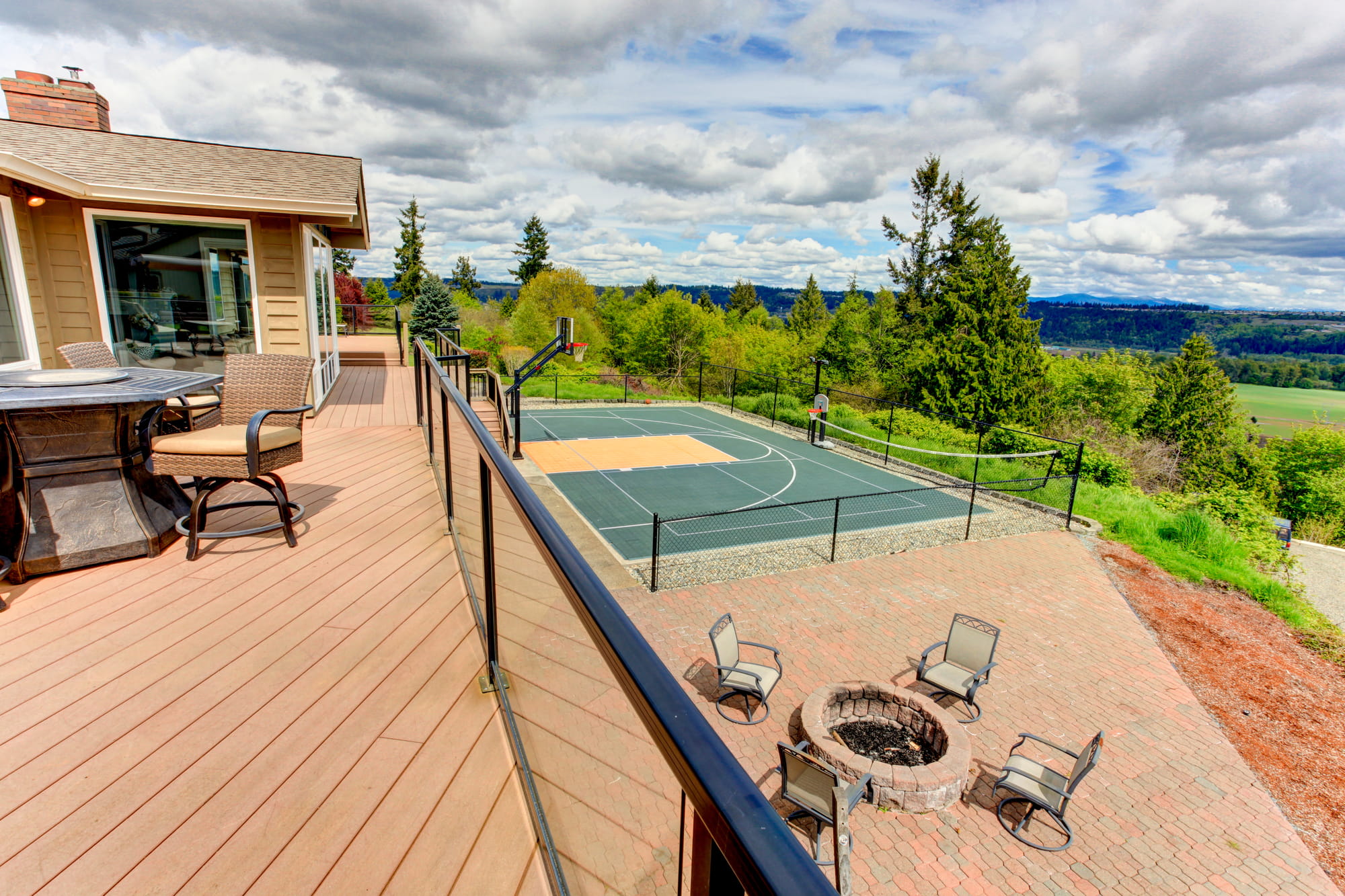
The Fox Chapel area is widely celebrated for its breathtaking natural beauty. Characterized by sweeping vistas and dramatic topography, it offers a picturesque backdrop that few communities in Western Pennsylvania can match. However, the very geographical features that make the region so visually stunning can also present a significant headache for homeowners when it comes to property utilization.
If your estate sits on one of Fox Chapel’s signature rolling hills, you are likely familiar with the challenges of a sloped property. Steep inclines can feel entirely unusable, prone to soil erosion, difficult to mow, and functionally restrictive for outdoor entertaining.
The good news is that a steep incline does not have to be a wasted space. With a thoughtful layout and professional execution, a challenging slope can be transformed into a multi-tiered masterpiece.
Let’s explore how creative hardscape design and strategic structural plantings can turn an intimidating hillside into the crown jewel of your estate.
The Power of Tiered Retaining Walls
When dealing with severe changes in elevation, the most effective way to reclaim your land is to alter the grade structurally. Traditional landscaping often relies on a single, massive retaining wall to hold back a slope. However, these monolithic walls can feel visually oppressive, resembling a harsh concrete barrier rather than an elegant feature of a luxury home.
The modern, sophisticated alternative is tiering. By breaking up a single steep incline into a series of shorter retaining terraces, you soften the visual impact of the elevation change while dramatically increasing the stability of the hillside.
Engineering for Longevity
In this region, retaining walls must be masterfully engineered to survive Western Pennsylvania’s heavy clay soils and aggressive winter freeze-thaw cycles. Proper drainage is the absolute lifeblood of hardscape design on a slope. Without clean aggregate backfill or perforated drainage pipes, water gets trapped behind the wall. When that water freezes, it expands with immense force, causing poorly constructed walls to bow and ultimately collapse.
By building tiered walls out of premium natural stone or high-end architectural blocks, you create structural pockets of level land that are perfectly engineered to divert water safely away from your home’s foundation while providing flat zones for functional use.
Creating Terraced Rooms and Multi-Level Patios
Once a slope is broken down into flat tiers, it opens up an array of possibilities for high-end outdoor living. Instead of settling for a single flat lawn, you can design a sequence of connected “outdoor rooms,” each serving a distinct purpose.
Imagine stepping out of your back door onto a spacious upper terrace dedicated to outdoor dining, complete with a custom stone kitchen. From there, a wide set of natural flagstone steps guides you down to a mid-level tier, which could be a cozy, intimate space anchored by a built-in stone fire pit or a custom pavilion designed for evening relaxation. A final, lower tier could lead to a manicured lawn for children to play on or a secluded garden pathway.
Integrating walkways and lighting into your hardscape design allows you to turn a treacherous hillside climb into a graceful, inviting journey through your landscape. Pathways that meander gracefully across the slope rather than cutting straight up it make the walk effortless while offering changing, picturesque views of your property along the way.
Strategic Structural Plantings for Slopes
While stone structures provide the physical framework for your hillside, plants provide the living mortar that holds the entire system together. Landscaping a slope requires a careful blend of aesthetics and soil science.
Soil Stabilization
The root networks of structural plantings act as nature’s anchor, binding the soil tightly together to prevent surface erosion during heavy summer downpours. Deep-rooting shrubs and ornamental grasses are ideal choices for hillside stabilization.
Designing with Depth and Texture
From a purely visual standpoint, a slope offers an incredible advantage: it gives you a vertical canvas. Unlike a flat yard where plantings hide behind one another, a hillside allows you to layer plants sequentially, displaying every level of texture and color perfectly to the eye.
When curating a plant palette for a Fox Chapel slope, it is essential to consider the local environment, particularly the heavy deer pressure common to the area. A sophisticated design utilizes a mix of deer-resistant, structurally striking varieties:
- Evergreen Foundations: Dwarf conifers and boxwoods provide year-round structure, ensuring the hillside looks manicured even in the dead of winter.
- Cascading Textures: Creeping junipers and varieties of switchgrass soften the rigid edges of stone walls, spilling over terraces like a green waterfall.
- Splashes of Color: Purple coneflowers and deer-resistant nepeta bring vibrant, low-maintenance color to the terraced beds throughout the spring and summer months.
Work With the Land, Not Against It
A sloped yard shouldn’t limit your lifestyle or diminish the value of your property. By embracing the unique topography of Fox Chapel and utilizing smart hardscape design paired with expert horicultural choices, you can unlock the hidden potential of your terrain.
Transforming a hillside requires a delicate balance of heavy civil engineering and creative vision. Partnering with a deeply rooted local landscape firm ensures that your new multi-tiered retreat is not only jaw-droppingly beautiful but structurally sound enough to stand the test of time for decades to come.
Contact our team today to learn more.
Frequently Asked Questions
Why is a single, tall retaining wall less effective than a tiered system on a steep slope?
A single, massive retaining wall can feel visually overwhelming and resemble a harsh concrete barrier rather than an elegant feature of a luxury estate. By breaking the incline into a tiered system of multiple, shorter terraces, you soften the visual impact of the elevation change. More importantly, tiering distributes the physical weight of the hillside more evenly, reducing soil pressure and greatly improving the long-term structural stability of the property.
How do Pittsburgh’s winter freeze-thaw cycles affect hillside hardscape design?
Western Pennsylvania’s heavy clay soils naturally trap moisture. During winter freeze-thaw cycles, this trapped water freezes and expands with immense force. If a hillside wall or patio lacks a masterfully engineered drainage system, the expanding water will push against the structures, causing them to crack, bow, or completely collapse over time.
What types of plants work best for stabilizing a sloped yard?
To prevent soil erosion during heavy rains, you need plants with deep, fibrous root networks that act as nature’s anchor to bind the soil together. A sophisticated hillside design combines structural evergreens (like dwarf conifers and boxwoods) for year-round stability with cascading textures (like creeping junipers and ornamental switchgrasses) that soften the stone edges. Selecting deer-resistant varieties is also critical for properties in the Fox Chapel area.
Can a steep hillside really be turned into a functional space for entertaining?
Absolutely. By utilizing smart hardscape design to create flat, terraced levels, you can transform completely unusable slopes into a series of connected outdoor spaces. For example, an upper tier can house a spacious stone outdoor kitchen and dining area, and a lower tier can anchor an intimate fire pit or pavilion.