A small yard does not have to feel cramped or overlooked. With the right plan, even a modest patch of ground can become a space that feels open and full of life. Custom landscaping for compact properties is less about fitting more into a tight area and more about choosing the right combination of plants and materials so nothing feels out of place.
Get the Most From Every Square Foot
When a yard is small, every corner matters. A thoughtful layout looks at how people actually move through the space and where they like to sit or gather on their way to a door or gate. Curved paths and varied plant heights can make a small area feel larger, since the eye is drawn along a path rather than stopping at a fence line. Angled beds add another layer of interest without taking up extra room.
Grouping plants by size and season also helps a yard stay interesting year-round instead of looking empty in certain months. Even small changes, like moving a bed a few feet or softening a straight edge, can shift how open a yard feels.
A well-planned layout turns a compact yard into a spot where people want to spend time, not just a patch of grass to maintain.
Vertical Garden Solutions
Ground space is limited, but walls and fences often go unused. Trellises give climbing plants a place to grow upward instead of spreading out, which frees up bed space for lower-growing flowers or shrubs. Living walls, which hold soil and small plants in a vertical frame, bring greenery to a bare fence or side wall without taking up any floor space.
Tiered planters work well on patios or balconies, since they let several rows of flowers or herbs share the same footprint. A small side yard or a narrow strip along a walkway can become a real garden feature once plants are allowed to grow up instead of out. These vertical choices add color and texture to a yard while leaving the ground open for walking and sitting.
Multi-Purpose Hardscapes
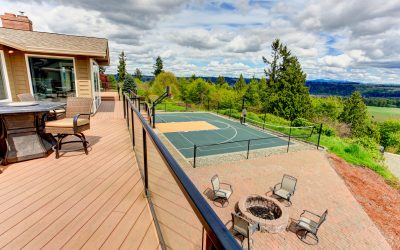
Patios and low walls do more than look nice. A patio can double as a dining area and a gathering spot for guests, especially when it is sized to hold seating without crowding the rest of the yard. Walkways matter too, since a well-placed path can frame garden beds while guiding foot traffic through the yard.
A retaining wall with a flat top can also serve as extra seating during a backyard get-together, which is a simple way to add function without adding clutter. Choosing materials that hold up well outdoors, such as natural stone, means these features stay useful and attractive for many seasons.
When hardscape elements serve more than one purpose, a small yard gains function without losing its open feel.
Smart Irrigation for Limited Areas
Watering a small yard well takes a different approach than watering a large property. Drip irrigation delivers water slowly and directly to the base of plants, cutting down waste and keeping water from pooling on patios or walkways. This setup also reduces water lost to wind or evaporation, since it targets the roots directly instead of the air above them.
Sprinkler systems can also be adjusted with smaller zones and shorter run times to match the size of the planting beds instead of soaking areas that don’t need it. A system designed for a compact space helps plants stay healthy while keeping water use reasonable, which matters for both the garden and the household budget.
Lighting for a Bigger Feel
Good lighting changes how a small yard feels once the sun goes down. Fixtures placed along a path guide movement safely at night. Lights aimed up into a tree or along a garden bed add depth and draw attention to a favorite feature.
Soft lighting near a patio or seating area also stretches the hours a yard can be enjoyed, turning it into a spot for evening conversation rather than a space that empties at dusk. A few well-placed fixtures near a fence line or garden bed can also soften harsh edges and make boundaries feel less noticeable after dark. Because light draws the eye outward, a well-placed set of fixtures can make a small yard feel larger after dark than it does in daylight.
Water Features With a Small Footprint
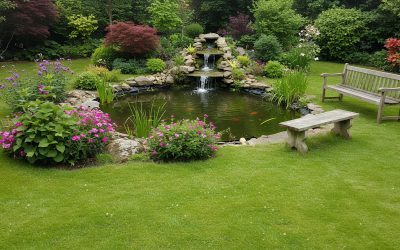
A pond or fountain does not need a large yard to work. A compact pond tucked into a corner bed can bring the sound of moving water to a small space without overwhelming the rest of the design. Bubbling rocks and small fountains take up very little room and can sit near a patio or entry path, adding a calm, steady sound that helps the whole yard feel more peaceful.
Waterfalls scaled to fit a smaller garden can flow over a short stone wall or into a shallow basin, giving the space a focal point without requiring a large footprint. Placed near a window or a favorite chair, a small water feature can become the part of the yard people notice first. These features show that a sense of calm doesn’t depend on the yard size.
Design for Lifestyle Needs
The best small yard design starts with how a household actually plans to use the space. A family that likes to entertain might want a patio with room for a table and a few chairs, along with lighting that supports evening gatherings.
A homeowner who enjoys growing flowers or vegetables might prefer raised beds and vertical planters that keep gardening within easy reach.
Others may simply want a quiet corner with a bench and a small water feature for relaxing after a long day. A yard can also change over time as a household’s needs shift, so a flexible layout tends to hold up well for years. Because the design is built around how the space will be lived in, even a modest yard can feel like it meets every need on the list.
If you are ready to picture new possibilities for your own yard, reach out to our team to start planning a design that fits your space and your lifestyle.
Frequently Asked Questions
How small does a yard need to be before design planning makes a difference?
Even a narrow side yard or a small courtyard can benefit from a plan, since layout and plant choice matter just as much in a tight space as they do in a larger one.
Do small yards need less maintenance than larger properties?
Not always, since maintenance depends more on the type of plants and features chosen than on the total size of the yard. Two yards of the same size can require very different amounts of upkeep depending on what is planted and how the beds are arranged.
Is it possible to add a water feature without losing much planting space?
Compact ponds and small fountains are built to fit into corners or alongside existing beds, so they rarely require giving up much room for plants.
How long does it usually take to redesign a small outdoor space?
Timelines vary based on the features included, but smaller projects often move through the design and build process more quickly than larger properties. A simpler update, such as adding lighting or a small planting bed, can also move faster than a full redesign.