Healthy trees and shrubs don’t happen by accident. They are the result of consistent, season-aware care that supports growth, prevents disease, and keeps your yard looking its best year-round. Whether you are a seasoned gardener or just getting started, understanding what your plants need — and when they need it — makes all the difference between a struggling yard and a thriving landscape.
This guide walks you through practical, proven tips for each season so your trees and shrubs can do what they do best: grow strong, look beautiful, and add lasting value to your home.
Spring: Wake Up Your Plants the Right Way
Spring is a season of renewal, and your trees and shrubs are ready to burst back to life after a long winter dormancy. This is one of the most important times of year to pay close attention to what is happening in your yard.
- Start with a thorough inspection. Walk your property and look closely at each tree and shrub. Check for broken branches, signs of disease, pest damage, or areas where winter weather may have caused stress. Catching problems early in spring means you can address them before they spiral into something more serious.
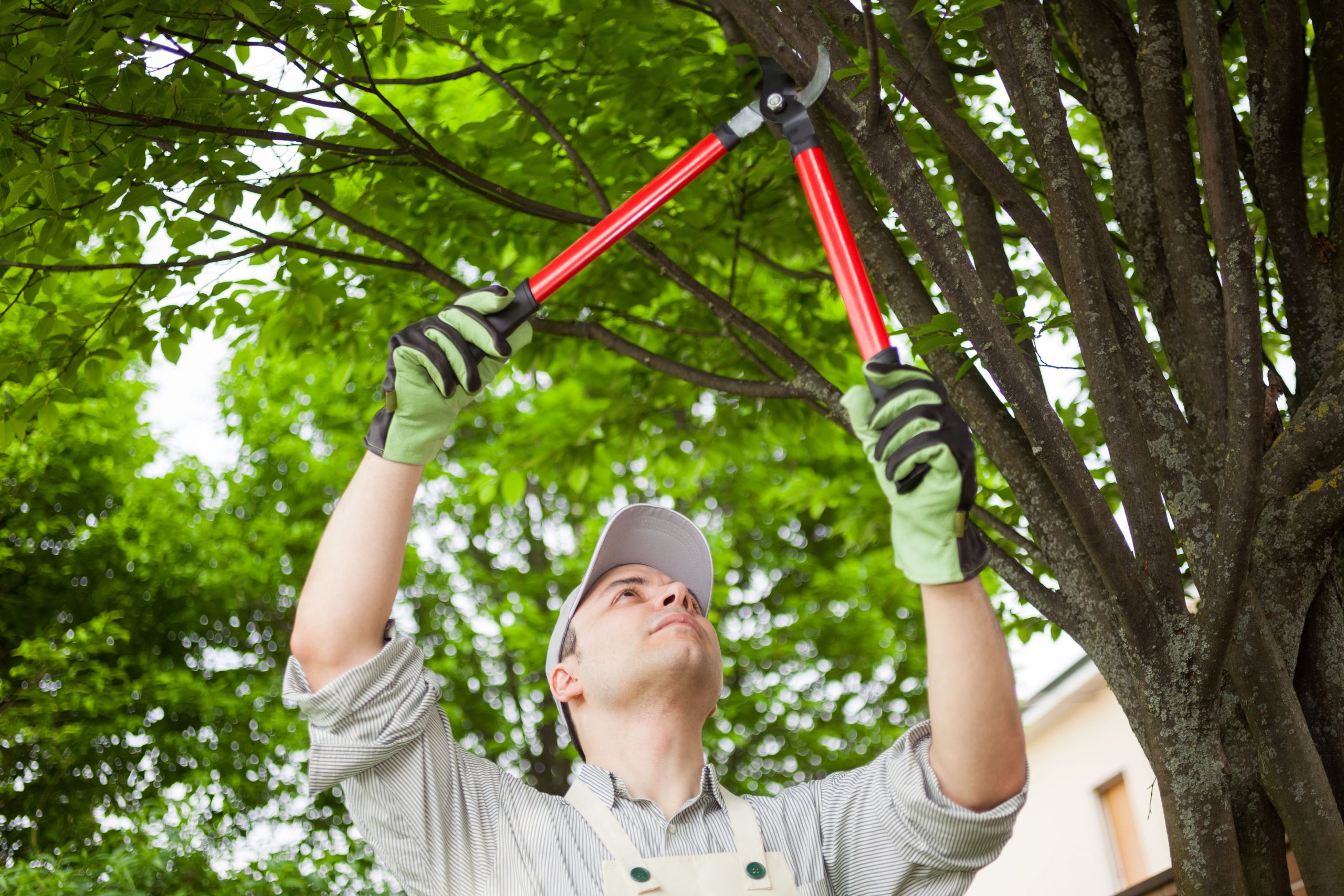
- Prune with purpose. Late winter into early spring is the ideal window to prune most deciduous shrubs and trees before new growth begins. Removing dead, damaged, or crossing branches improves airflow and encourages healthy new shoots. Be careful not to over-prune — removing too much at once can shock a plant and slow its recovery significantly.
- Feed the roots. Once the ground has thawed and you start to see signs of new growth, it is a good time to fertilize. Choose a slow-release fertilizer appropriate for trees and shrubs and apply it around the drip line — the outer edge of the plant’s canopy — rather than right at the base of the trunk or stems. This is where the feeder roots are most active.
- Mulch matters. Applying a fresh layer of mulch around the base of your trees and shrubs helps retain moisture, regulate soil temperature, and suppress weeds. Keep mulch a few inches away from trunks and stems to prevent rot and discourage pests from nesting close to the plant.
Summer: Protect and Maintain Through the Heat
Summer brings heat, drought stress, and increased pest activity. Your goal during these months is to keep your plants hydrated, healthy, and protected from the elements.
- Water deeply and consistently. Shallow, frequent watering encourages surface roots that are more vulnerable to heat and drought. Instead, water deeply and less often to encourage roots to grow downward where moisture is more stable. Early morning watering is best — it reduces evaporation and allows foliage to dry before evening, which lowers the risk of fungal disease taking hold.
- Watch for pests. Summer is peak season for insects that target trees and shrubs. Look for unusual leaf discoloration, holes in foliage, sticky residue, or visible insects on stems and leaves. Catching an infestation early gives you the best chance of managing it without widespread damage spreading through your yard.
- Hold off on heavy pruning. Avoid significant pruning during the hottest months. Cutting back plants in summer stresses them at a time when they are already working hard to manage heat. Light shaping and the removal of dead material is perfectly fine, but save major pruning work for cooler seasons when plants are less stressed.
- Check your mulch layer. Summer heat can break down mulch quickly. Replenish it as needed to maintain proper depth and continue protecting roots from temperature extremes and moisture loss.
Fall: Prepare Your Plants for the Cold Ahead
Fall is often overlooked as a critical season for tree and shrub care, but what you do — or don’t do — in autumn has a direct impact on how well your plants survive winter and bounce back come spring.
- Fertilize strategically. A slow-release fertilizer applied in early fall gives trees and shrubs the nutrients they need to strengthen their root systems before the ground freezes. Avoid high-nitrogen fertilizers later in the season, as they can push tender new growth that is easily damaged by the first frost.
- Prune selectively. Some shrubs and trees benefit from a light pruning in fall to remove dead wood and tidy up the plant before winter sets in. However, avoid heavy pruning that stimulates a flush of new growth — that new growth won’t have time to harden off before cold temperatures arrive.
- Clean up around your plants. Fallen leaves and debris left around the base of trees and shrubs can harbor disease, fungi, and overwintering pests. Rake up and remove organic debris regularly to reduce the risk of problems carrying over into next spring.
- Water before the ground freezes. Plants go into winter with the moisture they have on hand. A deep watering in late fall, before the first hard freeze sets in, helps trees and shrubs stay hydrated and resilient through the cold months ahead.
Winter: Rest, Protect, and Plan
Winter may look like a quiet time in the yard, but there is still important work to be done to protect your trees and shrubs through the cold season.
- Protect vulnerable plants. Young, newly planted, or cold-sensitive shrubs may need protection from harsh winter conditions. Burlap wraps, protective covers, or simple windbreaks can shield plants from drying winter winds and heavy snowfall. Pay special attention to broadleaf evergreens, which are particularly prone to winter burn and wind damage.
- Avoid de-icing salt near plants. Salt used on driveways and walkways can be damaging to nearby trees and shrubs when it runs off into the surrounding soil. Use salt sparingly near planted areas, or choose a plant-safe alternative where possible to minimize long-term damage.
- Brush snow carefully. Heavy snow accumulation on branches can cause breakage, especially on evergreen shrubs with dense foliage. Use a broom to gently brush snow from branches — always working from the bottom of the plant upward — to prevent unnecessary structural damage.
- Plan for the season ahead. Winter is the perfect time to evaluate your landscape and think about what changes you want to make when spring arrives. Consider whether any plants need to be relocated, replaced, or whether new additions would improve your yard’s overall structure and appeal.
Year-Round Habits That Make the Biggest Difference
Beyond the seasonal specifics, a few consistent habits go a long way in keeping your trees and shrubs healthy throughout every time of year.
- Observe your plants regularly. Routine walkthroughs help you catch small issues before they become costly problems.
- Avoid compacting soil around roots. Heavy foot traffic or equipment near the base of trees can compress soil and limit the oxygen and water that roots depend on.
- Be patient with new plantings. Newly planted trees and shrubs need extra attention and consistent care during their first few growing seasons while their root systems fully establish.
- Know your plants. Different species have different needs. Understanding the specific requirements of what you have planted helps you tailor your care approach for the best possible results.
When to Call in the Professionals
Even the most dedicated homeowners sometimes need expert support. If you are dealing with a mature tree that needs significant pruning, a shrub disease you cannot identify, or you simply want the confidence that comes with professional eyes on your property, reaching out to a qualified team is a smart move. Our professional landscape services bring the knowledge, tools, and seasonal expertise to handle exactly what your yard needs — without the guesswork or wasted effort.
Contact us for a simple consultation to help you build a customized care plan tailored to your property, your specific plants, and your long-term goals. Your landscape is an investment worth protecting. With the right seasonal habits and professional support when you need it, your trees and shrubs can look their best and thrive for many years to come.
Frequently Asked Questions
How often should I water my trees and shrubs?
The right watering frequency depends on your climate, soil type, and the age of your plants. Newly planted trees and shrubs generally need more frequent watering until their roots are established. Mature plants typically need less frequent but deeper watering sessions. A good rule of thumb is to check the soil a few inches below the surface — if it feels dry at that depth, it is time to water.
Is it bad to prune trees and shrubs in the fall?
Light pruning in fall to remove dead or damaged growth is generally fine. The key is to avoid heavy pruning late in the season, as it can encourage a surge of new growth. That tender new growth can be damaged by frost, which weakens the plant heading into winter. For significant pruning work, late winter or early spring before new growth begins is usually the best timing.
What is the best type of mulch to use around trees and shrubs?
Organic mulches such as wood chips, shredded bark, or compost are excellent choices for trees and shrubs. They break down over time, adding nutrients back into the soil while helping to retain moisture and regulate temperature. Avoid piling mulch directly against trunks and stems, as this can trap moisture and invite disease or pest problems.
Why are the leaves on my shrubs turning yellow?
Yellowing leaves can be caused by several factors including overwatering, underwatering, nutrient deficiencies, compacted soil, or pest and disease issues. Start by evaluating your watering habits and soil drainage. If the problem persists or spreads, it may be worth having a professional assess the plant to identify the root cause and recommend the right course of action.
When is the right time to fertilize trees and shrubs?
The two best windows for fertilizing most trees and shrubs are early spring before new growth begins and early fall before the ground freezes. Spring feeding supports healthy growth through the growing season, while fall feeding strengthens root systems ahead of winter. Avoid fertilizing during periods of drought stress or during the hottest stretch of summer, as this can do more harm than good.
How do I know if a tree or shrub needs to be removed?
Signs that a tree or shrub may need to be removed include significant structural damage, severe disease or pest infestation that has not responded to treatment, roots causing damage to your home’s foundation or underground utilities, or a plant that has simply declined beyond recovery. When in doubt, a professional assessment is the safest and most reliable way to determine the best course of action for your landscape.