Winter can be tough on even the most well-maintained yards. Once the frost fades and the days grow longer, your outdoor space deserves a thorough revival. Whether your lawn looks patchy, your garden beds are overgrown with dead debris, or your trees and shrubs look ragged, a thoughtful spring cleanup can breathe new life into your property. This guide walks you through every step of refreshing your landscape after winter so you can head into the warmer months with a yard that looks its very best.
Start With a Full Assessment
Before you pick up a rake or fire up the mower, take a slow walk around your property. Look at everything with fresh eyes. Note areas where grass has thinned, spots where soil has eroded, or places where standing water may have created drainage problems over the winter. Identify dead or damaged branches on trees and shrubs. Check your garden beds for signs of winter burn on perennials and note which plants survived versus which ones need replacing.
Taking stock of the damage before you begin prevents you from missing anything important and helps you prioritize your efforts. A thorough assessment also gives you a chance to dream a little — maybe this is the year you add a new planting bed or invest in a patio.
Clear Out Winter Debris
One of the first and most satisfying tasks of spring is clearing away everything winter left behind. Rake up dead leaves, twigs, and matted grass. Remove any protective coverings like burlap wraps or frost cloth. Pull out annual plants that did not survive the cold, cut back ornamental grasses that were left standing through winter, and clear gutters and downspouts of debris that can affect drainage near your foundation.
This step opens up the ground to sunlight and airflow, both of which are essential for healthy spring growth. Do not rush it — working carefully through your beds now can mean far less weeding and pest management later in the season.
Tend to Your Trees and Shrubs
Winter pruning is ideal for many species, but if you missed that window, early spring — before new growth fully emerges — is still a good time to address damaged or overgrown branches. Remove any dead wood you find, and look for branches that are crossing or rubbing against each other. Proper pruning not only improves the appearance of your trees and shrubs but also supports healthier growth throughout the season.
For flowering shrubs, timing matters. Those that bloom in spring on last year’s wood should be pruned after flowering, while summer bloomers can be shaped now. When in doubt, it is always better to prune conservatively than to cut too aggressively.
Refresh Your Lawn
Your lawn has been through a lot. Compacted soil, dormancy, foot traffic on frozen ground, and snow mold can all leave it looking dull and patchy. Start by raking vigorously to remove thatch and matted growth that can block new grass from emerging. Aerate compacted areas to improve water and nutrient absorption, overseed thin or bare patches to restore density, and apply a balanced fertilizer once soil temperatures have warmed enough.
Resist the urge to mow too early or cut the grass too short in the first mow of the season. Allowing the grass to grow slightly taller in early spring encourages deeper root development and helps crowd out weeds.
Revive Your Garden Beds
Garden beds often look their worst at the end of winter. Start by pulling any weeds that have gotten a head start in the cool weather — they are easier to remove when the soil is moist and before they go to seed. Next, work fresh compost into the top layer of soil to replenish nutrients lost over the colder months.
Once your soil is prepared, lay down a fresh layer of mulch. Mulch retains moisture, regulates soil temperature, and suppresses weed growth throughout the growing season. Spread it evenly around plants but keep it pulled back slightly from stems and trunks to prevent rot. This is also the time to divide overgrown perennials, transplant anything that ended up in the wrong spot last year, and plan for any new additions you want to include this season.
Address Hardscaping and Structures
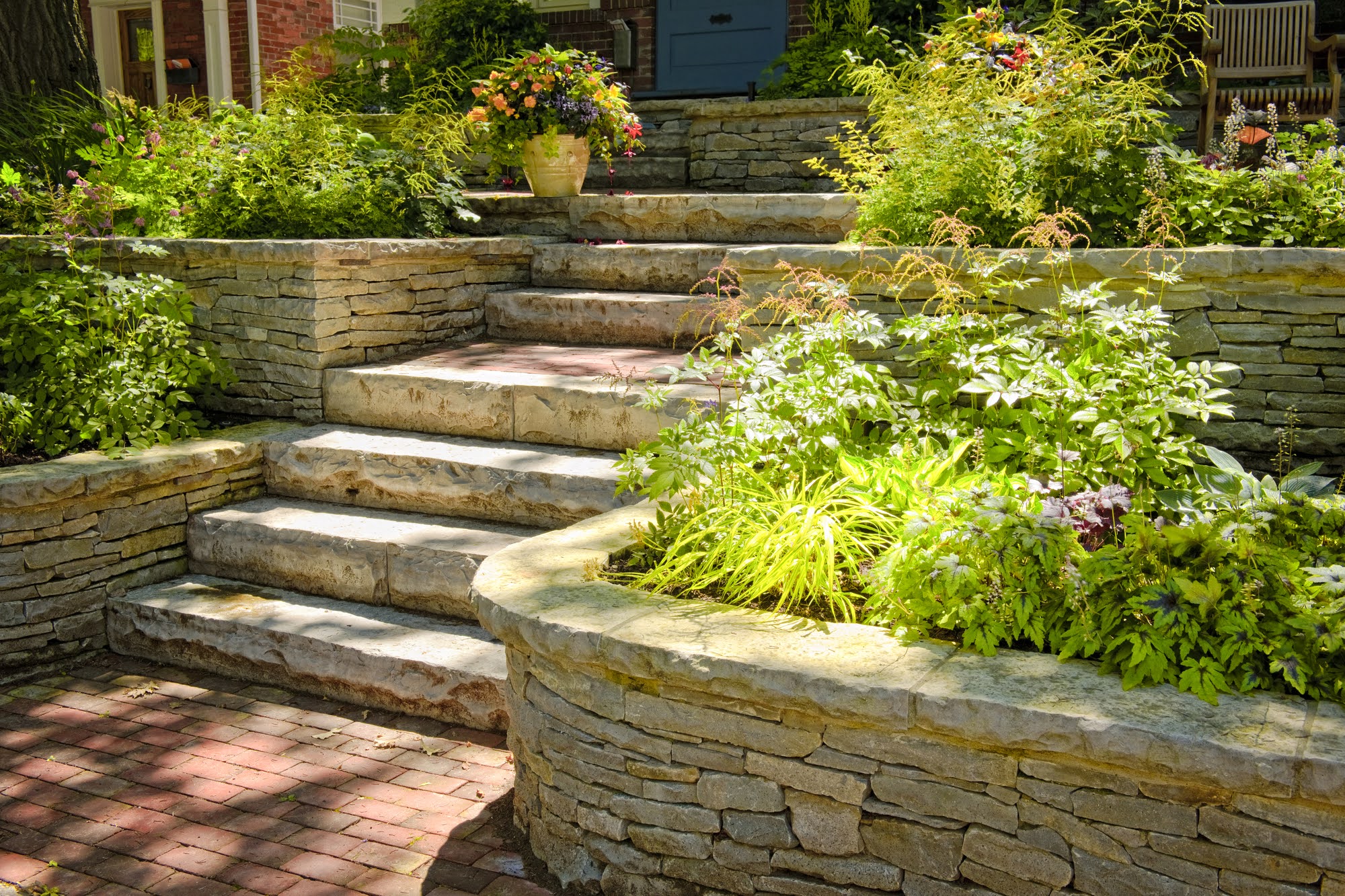
Winter weather can be harsh on patios, walkways, retaining walls, and fences. As part of your spring refresh, inspect all hardscaping for cracked or heaved pavers, loose retaining wall blocks, damaged fence posts, wood surfaces that need cleaning or resealing, and irrigation components that may have shifted or clogged. Catching these issues early — before summer entertaining begins — gives you time to make repairs without feeling rushed.
Think About Design and Long-Term Goals
Spring cleanup is a great time to evaluate your landscape holistically. Are there areas of your yard that feel underused or visually unappealing? Are there maintenance challenges you deal with every year that a smart design change could solve? Professional landscape design services can help you think beyond the seasonal to-do list and envision a yard that is not only beautiful but also functional and easier to maintain over time.
Create a Maintenance Plan for the Season
Once your spring cleanup is complete, set yourself up for success by putting a simple maintenance schedule in place. Consistent care throughout the season — regular mowing, watering, weeding, and fertilizing — keeps small problems from becoming big ones and ensures your yard stays looking great all the way through fall.
Ready to Transform Your Yard This Spring?
Spring is the perfect time to reclaim your outdoor space — but it can feel overwhelming to tackle alone. Our experienced landscaping team is ready to handle everything from cleanup and lawn care to seasonal plantings and hardscape repairs. Let us do the hard work so you can simply step outside and enjoy. Call us today to schedule your spring landscape consultation. Your best yard yet is just one call away.
Frequently Asked Questions
When is the best time to start spring landscape cleanup?
The ideal time to begin is when overnight temperatures are consistently staying above freezing and the soil has thawed enough to work without compacting. Starting too early while the ground is still frozen or waterlogged can cause more harm than good.
Should I fertilize right away in spring?
It is generally best to wait until the soil has warmed before applying fertilizer. Applying too early can stimulate growth that gets damaged by a late frost, and nutrients may not be absorbed efficiently by soil that is still cold.
How do I know if a plant survived winter or needs to be replaced?
Scratch a small section of a stem with your fingernail. If you see green underneath, the plant is alive. If the interior looks brown and dry, that section is dead. Sometimes only part of a plant dies back — remove the dead portions and give the rest time to recover before giving up on it.
Do I need to aerate my lawn every spring?
Not necessarily every year, but if your lawn sees heavy foot traffic, has compacted soil, or shows water pooling after rain, aeration is a valuable step. It loosens the soil and allows air, water, and nutrients to reach the root zone more effectively.
How much mulch should I apply to garden beds?
A layer roughly two to three inches deep is generally recommended. Much less provides little benefit, while much more can suffocate plant roots and create conditions favorable to rot and pests. Always keep mulch a few inches away from plant stems and tree trunks.
Can I do spring landscape cleanup myself, or should I hire a professional?
Many homeowners can handle basic cleanup on their own. However, for larger properties, overgrown areas, or significant tree work, hiring a professional landscaping company is well worth the investment. Professionals also bring expertise that can identify potential problems early.