When the sun goes down, most homes simply disappear into the dark. The garden you spent months cultivating, the architectural details that give your home its character, the pathway that winds through your yard — all of it fades the moment daylight does. Landscape lighting changes that entirely. Done well, it doesn’t just illuminate your property. It reveals it in a way that daylight never quite can, drawing attention to texture, depth, and form in ways that are genuinely striking.
If you’ve ever driven through a neighborhood at night and found yourself slowing down to look at a home that seemed to glow from the outside, then you know the power of thoughtful landscape lighting at work. And it’s more accessible, more practical, and more impactful than most homeowners realize.
It’s About More Than Aesthetics
The visual transformation is the part people talk about most, but landscape lighting delivers practical benefits that are equally compelling. A well-lit exterior is a safer exterior. Illuminated pathways reduce the risk of trips and falls. Lighting around entry points, driveways, and dark corners of the property deters would-be intruders far more effectively than leaving those areas in shadow. Motion-activated lighting adds another layer of security without requiring everything to run all night.
For homeowners who entertain outdoors, lighting extends the usable hours of patios, decks, and garden spaces well into the evening. A backyard that feels unusable after sunset becomes an entirely different space with the right lighting plan — one that invites people to linger rather than head inside when the light fades.
And from an investment standpoint, landscape lighting consistently adds to a home’s curb appeal and perceived value. First impressions happen at night just as much as during the day, and a home that presents beautifully after dark stands apart in any real estate market.
Understanding the Different Types of Landscape Lighting
Before planning any outdoor lighting project, it helps to understand the main techniques and what each one accomplishes.
Uplighting involves placing fixtures at ground level and directing light upward, typically toward trees, architectural features, or the facade of the home itself. It creates drama and draws the eye upward, making both plantings and structures feel more substantial and impressive.
Downlighting works in the opposite direction — fixtures are mounted in trees or on elevated structures to cast light downward, mimicking the effect of natural moonlight filtering through branches. It produces a soft, atmospheric effect that works beautifully in garden spaces and seating areas.
Path lighting lines walkways and driveways with low-profile fixtures that guide movement safely and add a gentle, welcoming glow to the ground level of the landscape. When spaced and styled well, path lights contribute enormously to curb appeal without drawing attention to themselves.
Spotlighting isolates specific features — a statement tree, a water feature, a sculpture — and makes them a focal point of the nighttime landscape. It requires precision in placement but delivers some of the most dramatic results in outdoor lighting design.
Wash lighting bathes large surfaces like walls, fences, or hedges in a broad, even spread of light, creating depth and texture that flat daytime light often obscures.
Hardscape Design and Lighting Work Together
One of the most important — and most underappreciated — aspects of landscape lighting is how closely it relates to the physical structure of the outdoor space. Hardscape design elements like stone pathways, retaining walls, patios, and steps are often the bones of a landscape, and lighting that integrates with these features rather than simply being scattered around them produces a far more cohesive and intentional result.
Recessed step lights built into the risers of a stone staircase, for example, are both functional and visually refined. Strip lighting tucked beneath the cap of a retaining wall creates a floating effect that elevates the entire space. The interplay between light and the texture of stone, brick, or concrete is one of the most rewarding elements of a well-executed outdoor lighting plan, and it’s one that rewards careful thought during the design phase rather than being added as an afterthought.
Choosing the Right Fixtures and Bulbs
The fixtures themselves matter, but the quality of light they produce matters more. Warm light temperatures create an inviting, natural feel that complements most landscapes and architectural styles. Cooler light temperatures can feel clinical or harsh in a residential setting and are generally better suited to commercial applications.
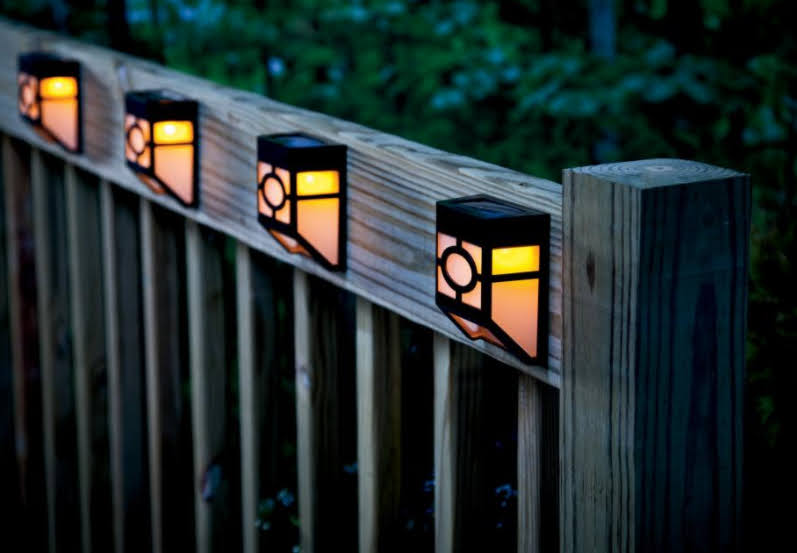
Low-voltage systems are the standard choice for residential landscape lighting. They are energy-efficient, safer to work with than line-voltage systems, and flexible enough to be expanded or reconfigured as the landscape evolves. Solar-powered fixtures have improved considerably and work well in areas with reliable sun exposure, though they typically don’t match the consistency and brightness of hardwired low-voltage systems.
When selecting fixtures, prioritize durability. Outdoor lighting lives in the elements year-round, and fixtures that aren’t built for that reality will deteriorate quickly. Brass, copper, and quality cast aluminum are the materials most likely to hold up over time and actually improve in appearance as they weather.
Common Mistakes to Avoid
The most frequent error in landscape lighting is over-illumination. More light is not better light. A landscape flooded with bright fixtures loses all sense of depth and shadow — and shadow is what gives a nighttime landscape its drama and dimension. Restraint is a virtue in lighting design, and knowing what not to light is just as important as knowing what to highlight.
Misaligned fixtures are another common issue. A spotlight aimed too steeply or positioned too close to its subject creates glare rather than beauty. Proper aiming takes time and often benefits from being done at night, so the effect can be assessed in real conditions rather than guessed at during daylight installation.
Finally, ignoring the view from inside the home is a missed opportunity. The best landscape lighting plans consider how the lit garden will look through the windows of the house — creating a living picture that can be enjoyed from indoors as much as from outside.
Ready to See Your Property in a Whole New Light?
Your home deserves to look as beautiful at night as it does during the day. Whether you’re starting from scratch or looking to upgrade an existing system, our landscaping team has the expertise to design and install a lighting plan that brings out the best in your property after dark.
From pathway lighting to dramatic uplighting, from hardscape integration to smart controls, we handle every detail so you can simply enjoy the result. Contact us today to schedule a consultation and take the first step toward a nighttime landscape that truly reflects the home you’ve worked hard to create.
Frequently Asked Questions
How much does a professional landscape lighting installation typically cost?
Costs vary widely depending on the size of the property, the number of fixtures, and the complexity of the design. A modest starter system for a front yard is considerably more affordable than a comprehensive whole-property plan. A professional consultation will give you an accurate picture of what to expect for your specific space.
Can I install landscape lighting myself?
Low-voltage systems are within reach for confident do-it-yourselfers, and many homeowners successfully install basic path lighting on their own. However, a professionally designed and installed system will almost always produce superior results, particularly when it comes to fixture placement, transformer sizing, and integrating lighting with existing hardscape and planting.
How do I control my landscape lighting system?
Most modern systems are compatible with timers, dusk-to-dawn sensors, and smart home integration. Automated controls make it easy to set consistent schedules and adjust the system seasonally without manual effort.
Will landscape lighting increase my energy bills significantly?
Low-voltage LED landscape lighting is remarkably energy-efficient. A well-designed system running several hours each evening will add very little to a typical monthly utility bill — often less than most homeowners expect.
How often does a landscape lighting system need maintenance?
Periodic maintenance — cleaning lenses, adjusting fixture aim as plants grow, replacing bulbs, and checking connections — keeps a system performing at its best. An annual professional checkup is a worthwhile investment to catch small issues before they become larger ones.