Your outdoor space holds remarkable potential beyond simple grass and garden beds. When you think about how you spend time outside your home, you might imagine relaxing evening gatherings, peaceful morning coffee moments, or lively weekend celebrations with friends and family. The structural elements that frame these experiences—the permanent features that define and organize your outdoor areas—create the foundation for truly transformative outdoor living.
Hardscape elements bring durability, functionality, and visual interest to properties of all sizes. These enduring features work in harmony with plants and natural elements to create cohesive outdoor environments that serve practical purposes while enhancing the overall aesthetic of your property. Understanding how different hardscape components can reshape your outdoor areas opens up exciting possibilities for creating spaces that reflect your lifestyle and vision.
Designing Foundations That Define Outdoor Rooms
The concept of outdoor rooms has gained attention for good reason—it acknowledges that yards can function as extensions of indoor living spaces. Just as interior rooms have floors, walls, and defined purposes, outdoor areas benefit from thoughtful structural design that creates distinct zones and pathways.
Establishing Ground-Level Transitions
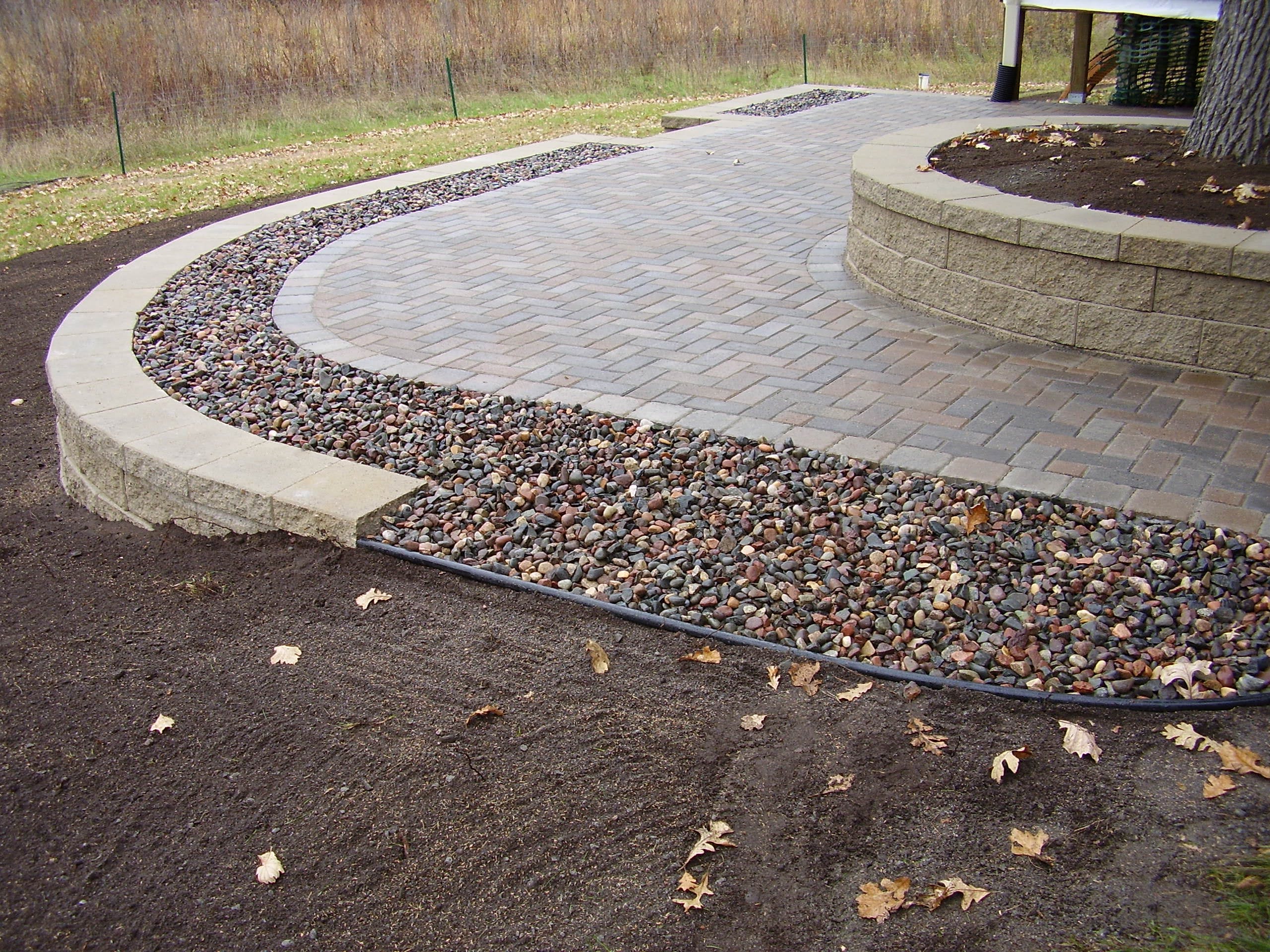
Patios and walkways form the backbone of outdoor movement and gathering spaces. These ground-level features guide people through your property while creating natural stopping points for conversation, dining, or contemplation. The materials you choose for these surfaces contribute significantly to the overall character of your outdoor environment. Stone, pavers, and specialized surfacing materials each bring unique textures and colors that complement surrounding elements.
The beauty of well-designed ground surfaces lies in their ability to feel both intentional and organic. They connect different areas of your property while respecting the natural flow of the landscape. When these elements integrate smoothly with existing terrain and vegetation, they create seamless transitions that enhance rather than interrupt the natural beauty of your outdoor space.
Creating Vertical Interest and Dimension
Retaining walls and raised features add another layer of sophistication to outdoor design. These vertical elements serve multiple purposes—they manage elevation changes, create distinct planting areas, and add architectural interest that draws the eye upward. The interplay between horizontal and vertical hardscape components generates visual depth that makes outdoor spaces feel more expansive and thoughtfully designed.
Walls and raised structures also provide opportunities for creative problem-solving in landscapes with slopes or uneven terrain. Rather than viewing challenging topography as a limitation, these features transform it into an asset that adds character and dimension. The strategic placement of vertical elements can frame views, provide privacy, or create intimate nooks within larger outdoor areas.
Building Connections Between Nature and Structure
The most successful outdoor transformations occur when hardscape elements work in concert with natural features rather than competing with them. This harmonious relationship between built and natural elements creates outdoor spaces that feel complete and thoughtfully composed.
Incorporating Water as a Focal Point
Water features introduce movement, sound, and reflection into outdoor environments. Whether through naturalistic ponds, elegant waterfalls, or contemporary fountain designs, water adds a sensory dimension that enhances the entire outdoor experience. The gentle sound of moving water creates a peaceful atmosphere that masks urban noise and encourages relaxation.
These aquatic elements also attract birds and beneficial wildlife, adding another layer of interest to your outdoor space. The reflective quality of water surfaces introduces changing light patterns throughout the day, creating dynamic visual interest that evolves with the sun’s movement. When integrated with surrounding hardscape and plantings, water features become central gathering points that anchor the overall design.
Enhancing Ambiance Through Illumination
Outdoor lighting extends the usability of outdoor spaces well beyond daylight hours while highlighting the architectural features you’ve invested in creating. Thoughtfully placed lighting transforms hardscape elements after dark, revealing textures and casting shadows that create entirely new visual experiences. The interplay of light and shadow across stone surfaces, walls, and water features adds drama and sophistication to evening outdoor settings.
Beyond aesthetics, proper illumination makes outdoor areas safer and more functional for nighttime use. Pathway lighting guides movement, while accent lighting showcases focal points and creates visual interest. Strategic lighting design considers both practical needs and artistic opportunities, ensuring outdoor spaces remain welcoming and beautiful throughout all hours.
Integrating Systems That Support Long-Term Beauty
Sustainable outdoor spaces require invisible infrastructure that supports both hardscape and planted areas. The most effective outdoor transformations incorporate systems that maintain beauty and functionality over time with minimal ongoing intervention.
Supporting Healthy Growth Through Efficient Watering
Irrigation systems represent an investment in the long-term health and appearance of your outdoor space. These networks deliver water precisely where needed, supporting lush plantings that soften and complement hardscape features. Well-designed watering systems work quietly in the background, ensuring that garden beds, ornamental trees, and other living elements receive consistent moisture that promotes vibrant growth.
The integration of watering infrastructure during initial design and construction phases creates more efficient and effective systems than adding them later. This forward-thinking approach, often part of comprehensive landscape engineering services, ensures that technical requirements enhance rather than compromise aesthetic goals. When irrigation planning considers the full scope of your outdoor vision, it supports the long-term success of your entire landscape investment.
Planning for Seasonal Changes and Ongoing Care
Transformative hardscape design acknowledges that outdoor spaces exist within natural cycles and changing seasons. The most successful projects incorporate features that accommodate these changes while maintaining their appeal throughout the year. Durable materials withstand freeze-thaw cycles, drainage considerations prevent water accumulation, and design choices account for how different seasons will impact the space.
This holistic approach to outdoor design recognizes that initial installation represents just the beginning of your relationship with your outdoor space. Ongoing care—from seasonal cleanups to expert pruning—keeps both hardscape and living elements looking their best. When design anticipates maintenance needs from the start, it creates outdoor spaces that remain beautiful and functional over many years.
Transforming outdoor living spaces through hardscape design involves more than adding individual features to your property. It requires thinking holistically about how structural elements, natural components, and support systems work together to create cohesive environments that enhance daily life. Whether you envision intimate gathering spaces, dramatic water features, or elegant pathways that showcase your property’s natural beauty, thoughtful hardscape design brings those visions to life in enduring, practical ways.
The journey from conceptualizing your ideal outdoor space to enjoying the finished result becomes more manageable when you work with experienced professionals who understand both the creative and technical aspects of landscape transformation. If you’re ready to explore how hardscape elements could transform your outdoor living areas, connect with our team to discuss your vision and discover the possibilities for your property.
Frequently Asked Questions
How do I choose materials that will complement my home’s architecture?
Material selection works best when considering your home’s existing style, colors, and materials alongside your personal preferences and the surrounding landscape. Bringing together samples of proposed materials and observing them in your actual outdoor space at different times of day helps visualize how they’ll look in context. Professional designers can provide guidance on combinations that create cohesive transitions between your home and outdoor areas.
What happens if I want to modify my hardscape design in the future?
Quality hardscape installations can often accommodate future modifications or additions. Modular paving systems allow for expansion, retaining walls can be extended, and lighting or irrigation systems can be enhanced as needs evolve. Building with future flexibility in mind during initial design provides options for adapting your outdoor space as your lifestyle changes.
How do climate and local weather patterns influence hardscape choices?
Regional climate conditions significantly impact material selection and design approaches. Some materials perform better in freeze-thaw cycles, while others suit warmer climates. Drainage requirements vary based on typical rainfall patterns, and sun exposure influences material temperature and comfort. Working with local professionals familiar with regional conditions ensures your hardscape elements stand up to your area’s specific weather challenges.